
As EOFY and New FY approaches, many businesses naturally focus on budgets, forecasting and financial planning. While inventory, staffing and marketing often receive attention first, the physical customer experience is another area worth reviewing before the new financial year begins.
For retailers, showrooms and customer-facing businesses, the environment customers interact with every day has a direct influence on perception, engagement and purchasing behaviour. Everything from shelving layouts and product displays to service counters and merchandising zones can shape how customers experience a brand.
The most successful retailers don't view EOFY purely as an accounting milestone. They use it as an opportunity to assess what is working, identify areas for improvement and make investments that support long-term growth.
If you're considering a retail refresh this year, here are seven investments that can improve customer experience and store performance well beyond EOFY.
Upgrade Your Retail Shelving
Retail shelving is one of the hardest-working elements in any store. It influences how products are displayed, how customers navigate the space and how effectively your merchandise tells its story.
One of the most common things we see when visiting retail stores is shelving that no longer reflects the products being displayed on it.
Businesses evolve. Product ranges expand. New categories are introduced. Branding changes. Yet the shelving often stays exactly the same.
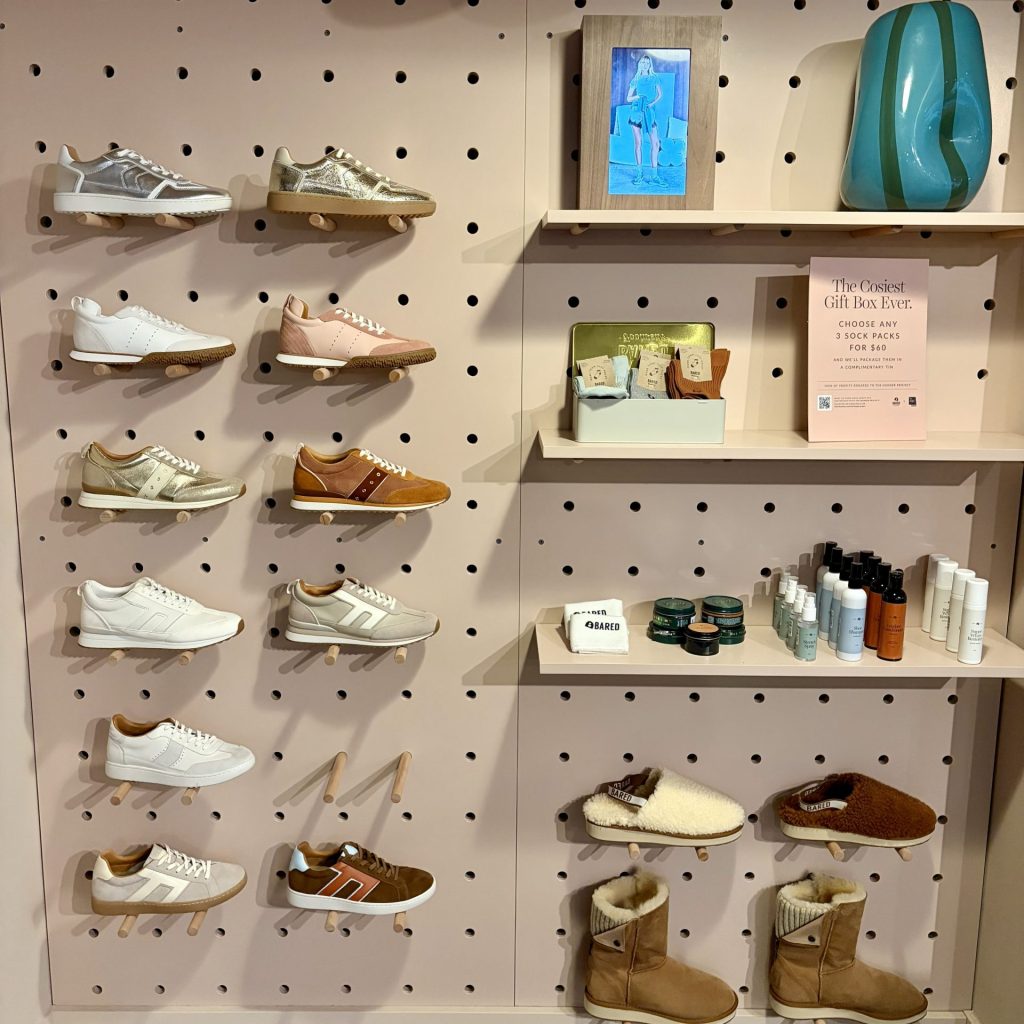
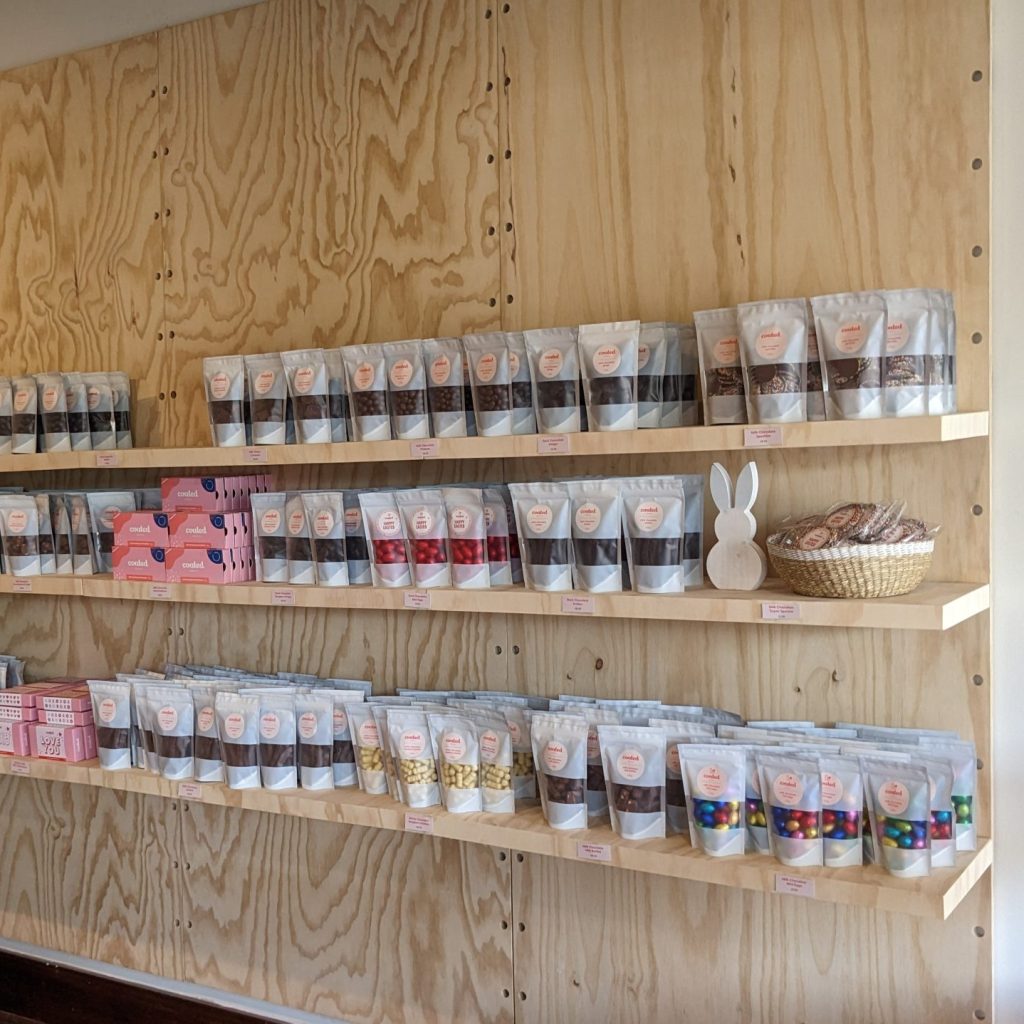
The result is usually a store that's working harder than it needs to. Products can become crowded, feature items get lost amongst the range and customers don't always notice the products you'd most like them to discover.
A shelving refresh doesn't necessarily mean replacing everything. Sometimes a few strategic updates can create better product visibility, improve merchandising flexibility and give the store a more considered feel.
Many retailers review their shelving before a new season, store relaunch or EOFY refresh because it's one of the most visible elements in the customer experience and one of the easiest areas to improve.
Questions to consider include:
• Can customers easily find what they're looking for?
• Does your shelving reflect your current brand positioning?
• Can displays be adjusted for seasonal campaigns?
• Is valuable floor space being used effectively?
For many retailers, upgrading shelving is one of the simplest ways to improve both customer experience and store performance without undertaking a complete refurbishment.
Improve Your Checkout Experience
When retailers think about upgrading their store, the checkout area is often one of the last things they consider. Yet it's one of the most frequently used spaces in the entire environment.
Your counter isn't just where transactions happen. It's where customers ask questions, collect products, sign up for loyalty programs and have their final interaction with your brand before leaving the store.
Over time, many counters end up doing a lot more than originally intended. Additional displays get added, equipment accumulates and layouts that once worked well can start to feel crowded or inefficient.
A simple refresh can often make a significant difference. Better customer flow, improved visibility, more usable workspace for staff and a cleaner presentation can all contribute to a smoother experience for everyone involved.
Create Better Product Discovery Zones
One challenge we hear from retailers regularly is, "Customers walk straight past some of our best products."
In many cases, the issue isn't the product. It's how the product is being presented.
Customers rarely browse every shelf in a store. They're naturally drawn to focal points, feature displays and spaces that feel intentional. Creating dedicated discovery zones helps guide attention towards new arrivals, seasonal ranges, promotions or hero products.
This might be a display table near the entrance, a series of plinths showcasing a new collection or a dedicated promotional area that changes throughout the year.
Often the most successful retailers make it easy for customers to stumble across products they weren't originally planning to buy.
Refresh Your Visual Merchandising Strategy
Retail trends, customer expectations and shopping behaviours are constantly evolving. What worked five years ago may not work as effectively today.
We often see retailers focus heavily on products while giving less attention to how those products are grouped, presented and navigated throughout the store.
Good visual merchandising helps customers understand a range more quickly. It creates natural pathways, highlights key products and makes the shopping experience feel easier and more enjoyable.
Sometimes a merchandising refresh requires no new fixtures at all. Reorganising categories, creating stronger focal points or simplifying product presentation can have a noticeable impact on how customers engage with a space.


Invest In Exhibition And Event Infrastructure
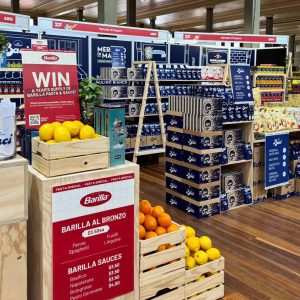
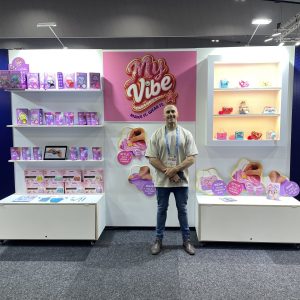
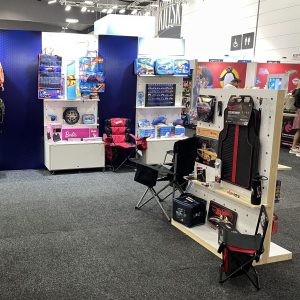
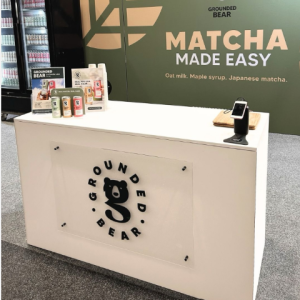
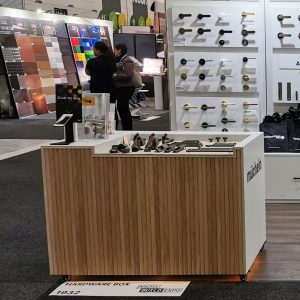
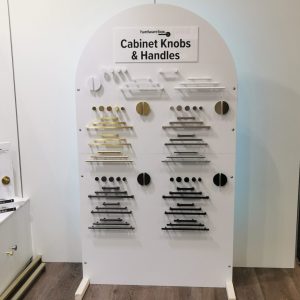
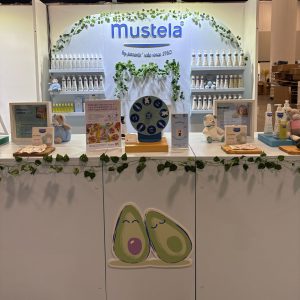

For many brands, a tradeshow stand, pop-up or activation is one of the few opportunities they have to place their products directly in front of hundreds or even thousands of potential customers in a single day.
While digital marketing remains important, face-to-face interactions continue to play a valuable role in building awareness, generating leads and creating meaningful customer connections.
Trade shows, exhibitions, shopping centre activations and pop-up stores allow businesses to showcase products in a way that simply isn't possible online. Customers can see, touch and interact with products, ask questions and experience the brand firsthand.
For many businesses, events form a key part of their annual growth strategy. Whether the goal is generating wholesale enquiries, launching a new product, building brand awareness or driving direct sales, events create opportunities to engage with customers in a highly targeted environment.
As businesses plan for the new financial year, it's worth considering whether exhibitions, activations or pop-up experiences will play a role in achieving growth objectives.
If they do, having the right infrastructure in place becomes important. Shelving, counters and merchandising fixtures help create an environment that supports conversations, showcases products effectively and presents the business professionally.
We've worked with businesses that attend a single trade show each year and others that exhibit almost every month. In both cases, the businesses that tend to get the most value are those that view events as an ongoing sales and brand-building channel rather than a one-off marketing activity.
Like any business investment, the goal isn't simply to create a stand that looks impressive. It's to create an environment that helps attract attention, start conversations and support long-term business growth.
Improve Brand Presentation Across Every Touchpoint
One of the strongest retail brands isn't always the one with the biggest budget. Often it's the one that presents itself consistently.
Customers notice when a retail environment feels cohesive. Displays, counters, shelving, signage and merchandising all work together to create an overall impression of the brand.
When these elements feel disconnected, the customer experience can feel fragmented. When they work together, the space feels more professional, more considered and often more premium.
A retail refresh is often a good opportunity to step back and ask whether your environment still reflects the brand you're trying to build.

Build A More Flexible Retail Environment
Retail is rarely static. New products arrive. Seasons change. Promotional campaigns launch. Customer preferences evolve.
One thing we've noticed working with retailers is that the businesses able to adapt quickly often have more flexible display systems in place.
Rather than needing a complete redesign every time something changes, flexible shelving, display tables and merchandising fixtures allow retailers to update their environment throughout the year.
The goal isn't to redesign your store every season. It's to create a space that can evolve as your business evolves, making future changes easier, faster and more cost-effective.

Final Thoughts
Whether you're planning a complete store refresh, upgrading your shelving or preparing for upcoming events and activations, investing in the right retail environment can continue delivering value well beyond the end of financial year.