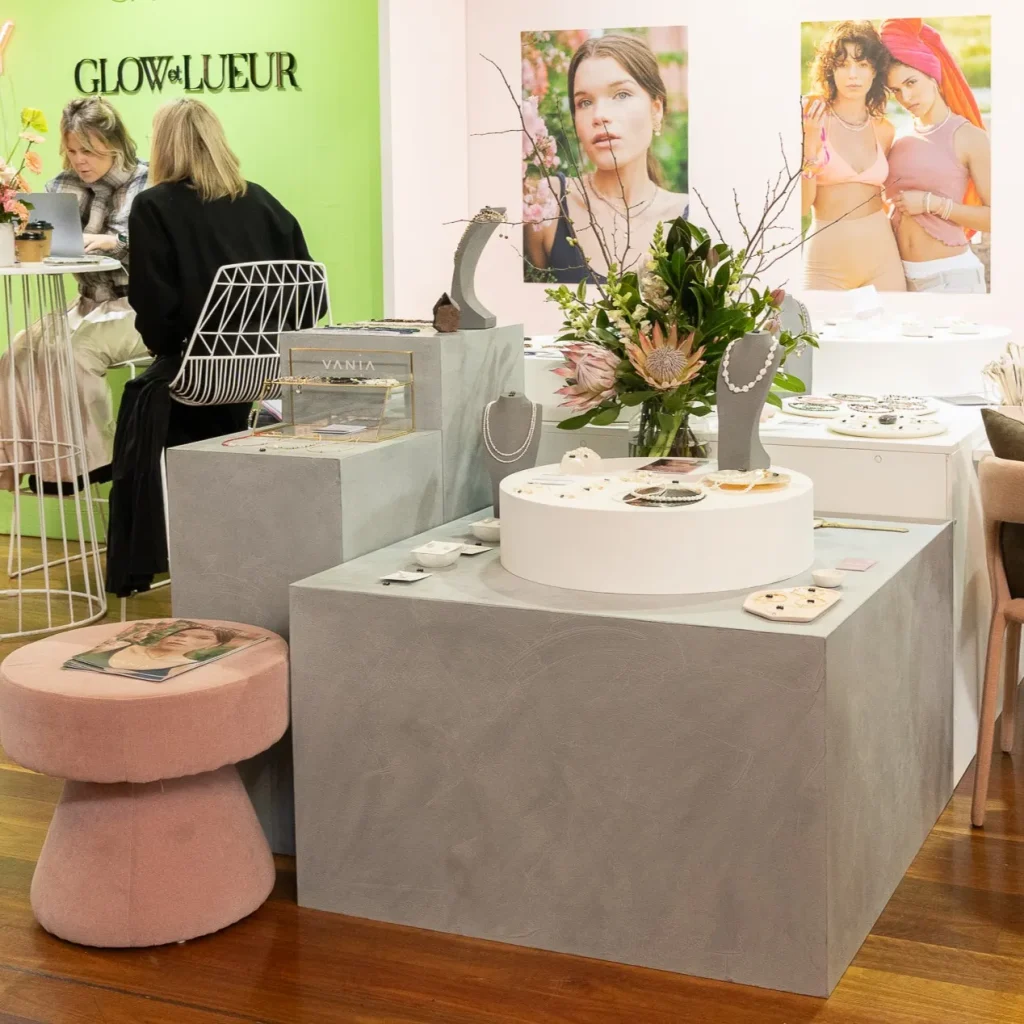
Visual merchandising plays a powerful role in how customers experience your brand, but it’s also one of the most commonly misunderstood aspects of retail design. From layout and flow to colour trends and display furniture, retailers often ask the same questions when trying to create spaces that truly perform.
We’ve answered the most frequently asked questions about visual merchandising to help you make informed, impactful decisions for your store, pop-up, or retail space.
What is Visual Merchandising, Really?
Visual merchandising is the strategic presentation of products and space to communicate brand identity, guide customer behaviour, and ultimately drive sales. It combines layout, colour, lighting, display furniture, and storytelling to create an experience, not just a display.
Good visual merchandising helps customers understand:
What you sell
Who it’s for
Why it matters
When done well, it feels effortless. When done poorly, it creates confusion, clutter, or missed opportunities.
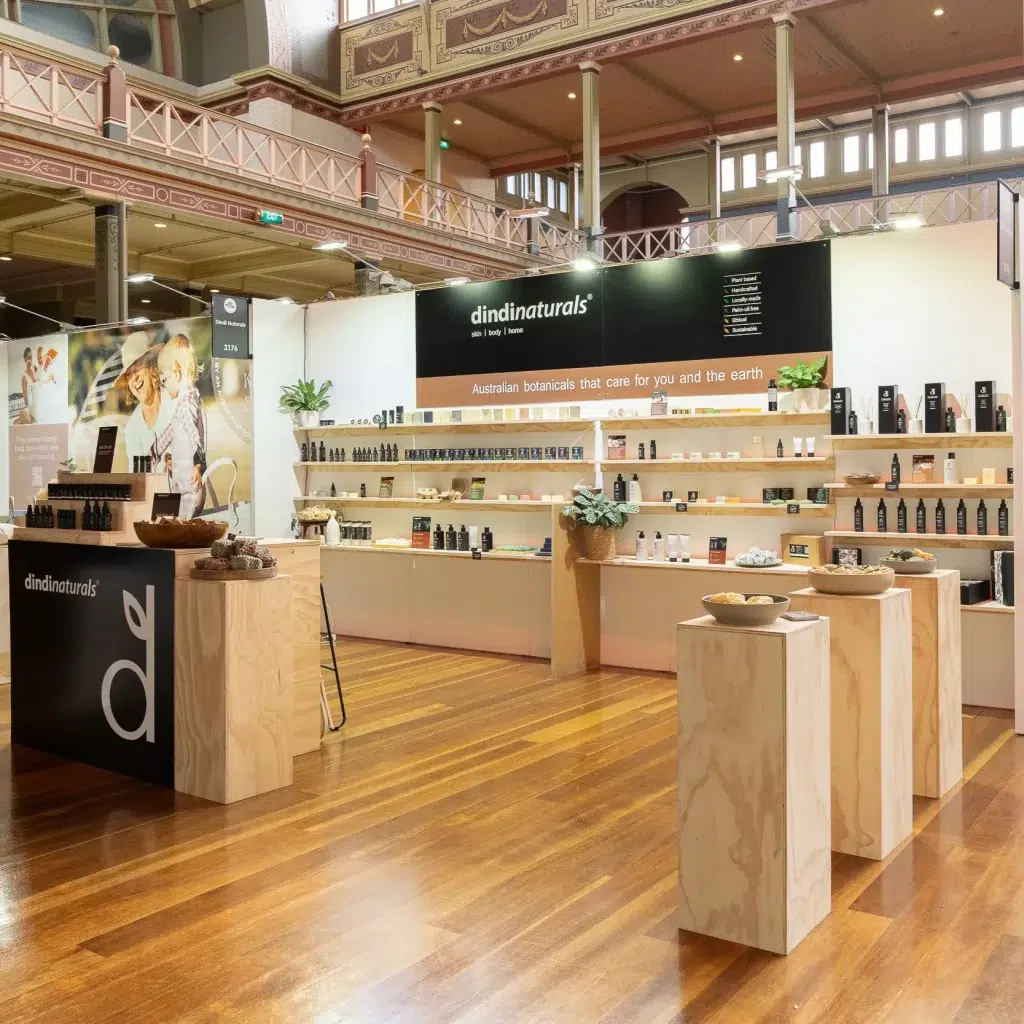
How Often Should Visual Merchandising be Updated?
There’s no one-size-fits-all answer, but as a general guide:
Small updates can happen weekly or fortnightly
Seasonal refreshes typically align with product drops or campaigns
Larger layout changes may happen quarterly or biannually
The key is momentum. Even subtle changes, like moving a hero display or updating props, signal freshness and give repeat customers a reason to re-engage.
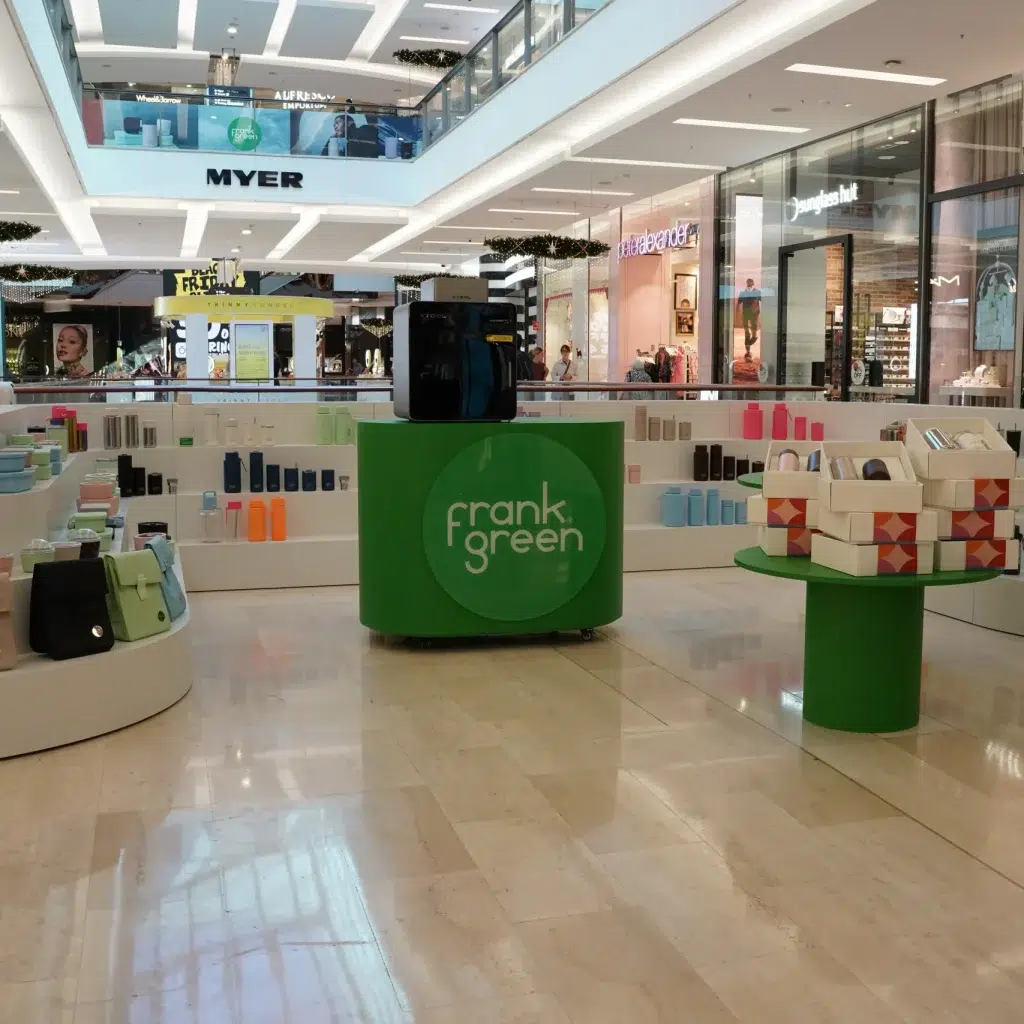
What are Easy Ways to Refresh a Store Seasonally Without a Full Refit?
Seasonal updates don’t need to be expensive or disruptive. Some of the most effective refreshes are lightweight and flexible.
Common approaches include:
Swapping out a single hero piece or focal display
Introducing seasonal colour through props, signage, or textiles
Layering in new textures to shift mood
Rotating feature displays to new locations
These changes keep the space visually dynamic while maintaining consistency with your brand identity.

How Do You Create Impact in a Small Retail or Pop-Up Space?
Small spaces demand clarity and intention. Pop-ups, in particular, have limited time to capture attention and communicate value.
Strong visual merchandising for small spaces focuses on:
One clear message or concept
A strong focal point that draws the eye
Vertical displays to maximise space
A tightly edited product range
Lighting that highlights key products
A small space doesn’t need to feel busy to feel impactful, it needs to feel like there has been consideration.
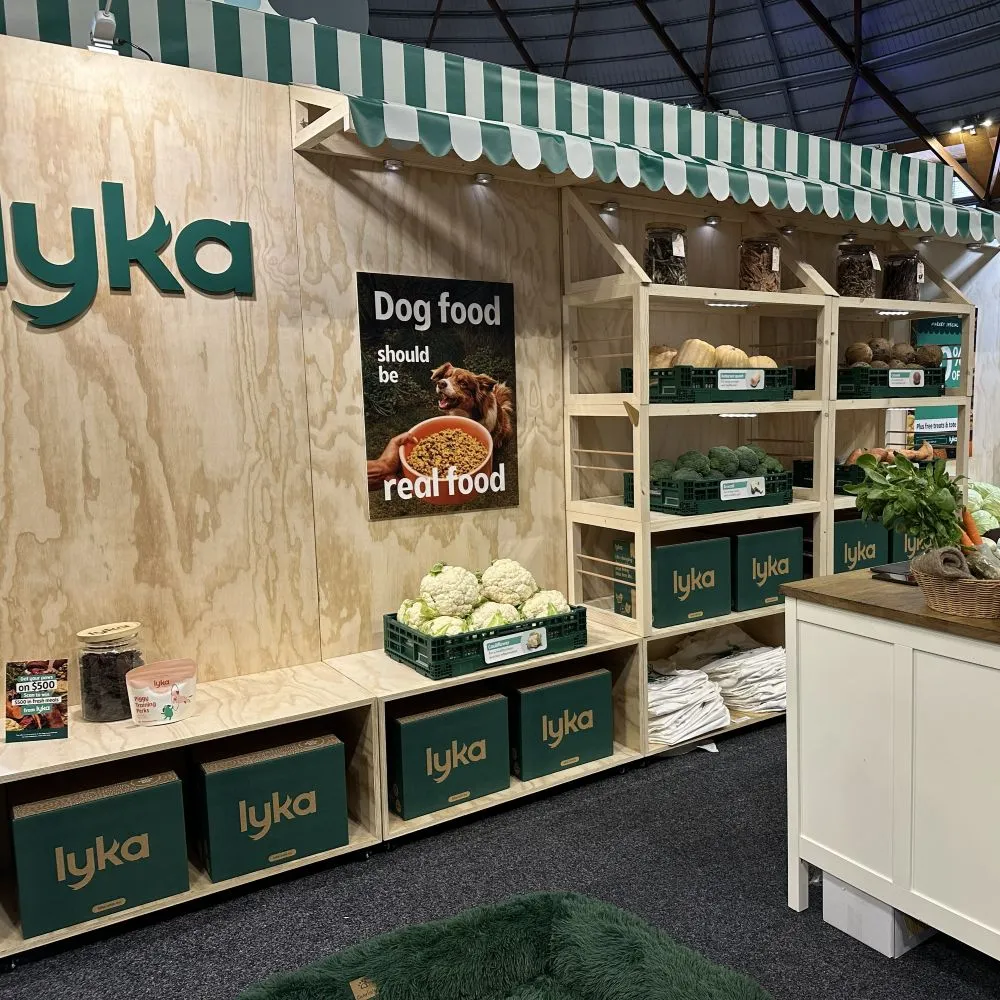
How Should Visual Merchandising Differ Between Pop-Ups and Permanent Stores?
Pop-ups are about immediacy and impact, while permanent stores are about flow and longevity.
In permanent retail spaces, visual merchandising should support:
Natural customer movement
Clear zoning for different product categories
Comfortable circulation through the space
Opportunities to refresh displays without major disruption
Permanent stores benefit from layouts that encourage exploration, increase dwell time, and make navigation intuitive.

How Do You Design a Store Layout That Works With Foot Traffic, Not Against It?
Understanding how customers move through your space is critical.
Effective layouts typically:
Guide customers deeper into the store using visual cues
Keep main walkways clear and uncluttered
Place feature displays beyond the entrance to encourage exploration
Use zoning to break the space into manageable, purposeful areas
When flow feels effortless, customers are more likely to browse longer and engage more deeply with your product.

What is the Rule of Three in Visual Merchandising?
The rule of three is a classic visual merchandising principle that suggests grouping products in odd numbers, particularly threes, creates displays that feel more natural and visually appealing.
Visual merchandising expert, Tim Neve, often references this technique, noting that triangular arrangements help draw the eye upward and across a display. This also helps establish a clear visual hierarchy, moving the customer’s attention from hero product to complementary pieces and accessories.

Should I Hire or Buy Display Furniture?
This is one of the most common practical questions retailers ask and the answer depends on how you use your space.
Hiring display furniture works well if:
You frequently change campaigns or themes
You’re running pop-ups or temporary activations
Storage space is limited
You want access to trend-led finishes without long-term commitment
Buying display furniture is often better if:
You refresh your store regularly
You operate multiple locations
You need branded or custom pieces
You want long-term cost efficiency
Many retailers use a hybrid approach - owning core pieces and hiring accent furniture to support seasonal changes.

How Can Display Furniture be Used More Flexibly?
Flexible display furniture allows your visual merchandising to evolve without constant reinvestment.
Look for pieces that:
Can be repositioned easily
Work across multiple product categories
Layer well with seasonal props
Serve more than one purpose (e.g. storage + display)
Neutral, modular furniture forms a strong foundation that can be restyled repeatedly throughout the year.

How Do You Incorporate Colour of the Year Into Visual Merchandising?
Trend colours can add freshness and relevance when used thoughtfully.
Rather than fully committing to a trending colour, many retailers:
Use it as an accent through props or signage
Pair it with their existing brand palette
Introduce it in small, changeable elements
Layer it into seasonal storytelling
The goal is to feel current without compromising brand consistency.

What are Some Professional Retail Styling Tips That Make a Difference?
Experienced visual merchandisers often focus on details that customers may not consciously notice, but definitely feel.
These include:
Starting every display with a clear concept or story
Positioning key products at eye or waist level
Leaving negative space to avoid visual overload
Refreshing displays regularly
Creating small styling moments near entry points or POS
These details elevate a space from functional to memorable.

Why is Visual Merchandising So Important for Retail Success?
Visual merchandising shapes how customers experience your brand before a conversation or transaction even begins. It influences perception, navigation, dwell time, and buying behaviour.
When approached strategically, visual merchandising becomes a powerful business tool, helping your space work harder, your products shine brighter, and your brand feel more intentional.