In 2025, retail is no longer defined by square footage, it’s defined by experience.
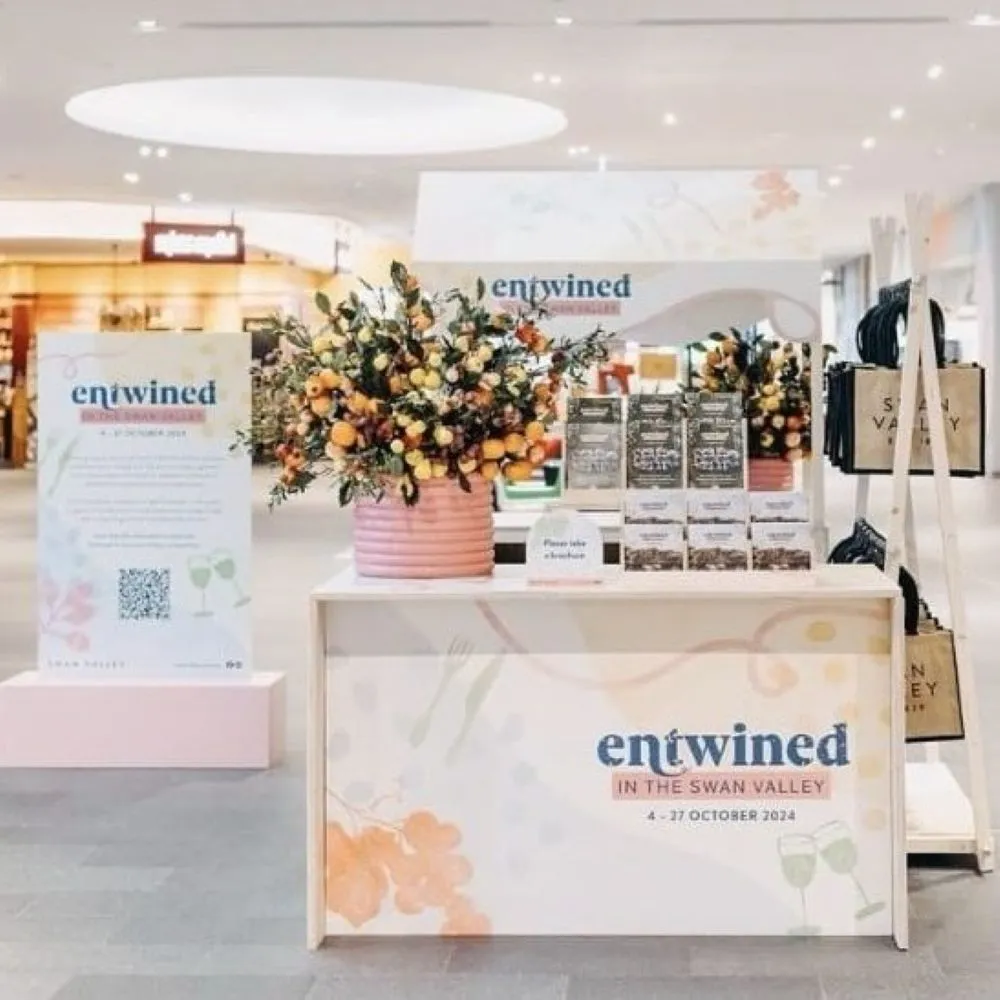
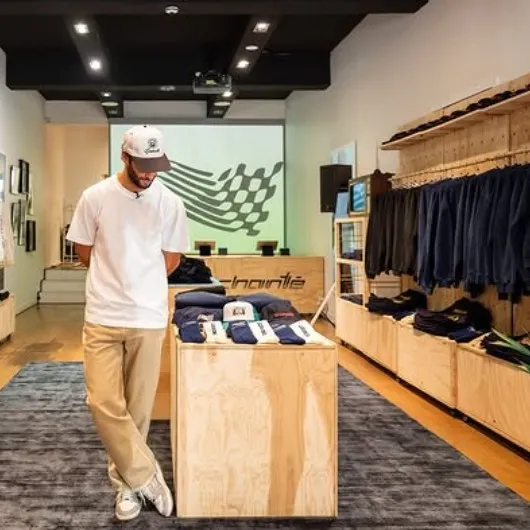
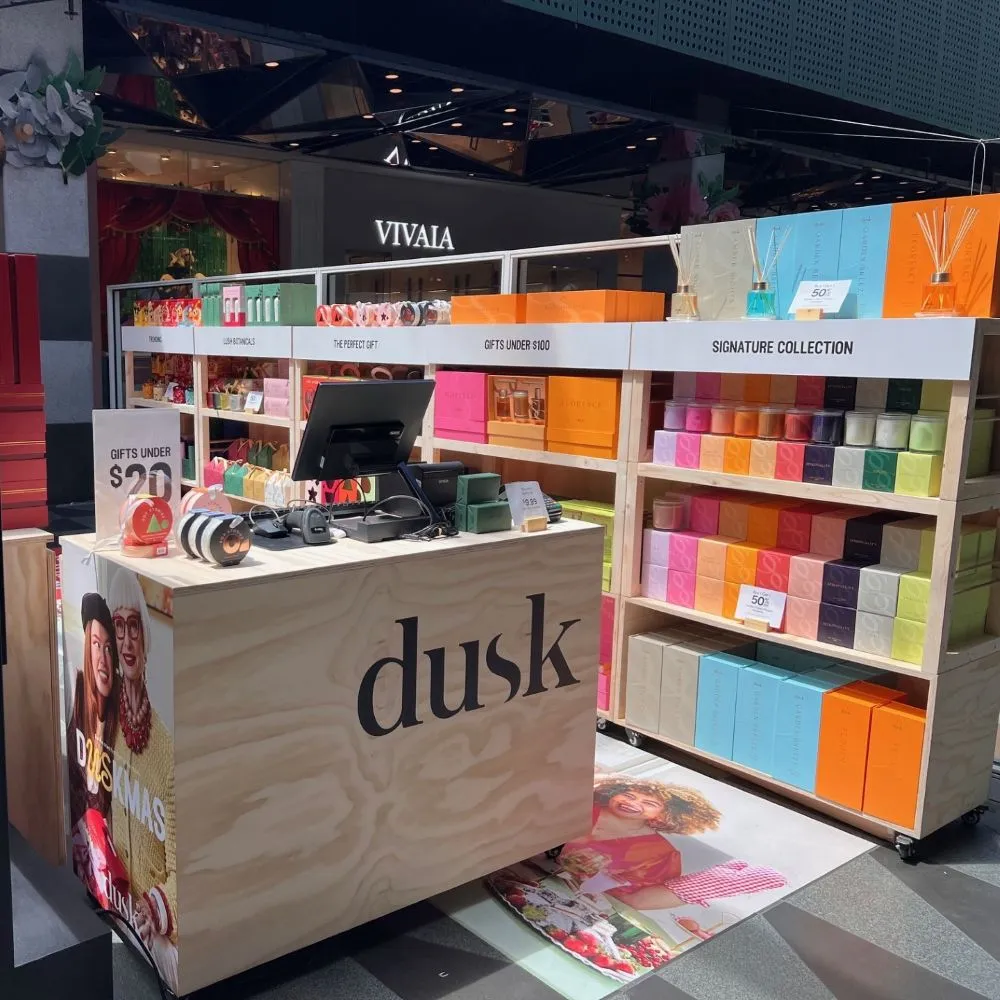
Consumers are showing up for brands that show up for them: in-person, memorable, and interactive. From immersive LED installations to rented pop-ups in high-footfall zones, brands are shifting from static retail to active experiences that make shoppers feel something.
This move toward activation-first strategies is reshaping budgets, operations, and even how brands measure success. Let’s unpack how this experiential shift is playing out in 2025 and how your brand can take advantage of it.
Why Activations Matter Right Now
Retailers are rediscovering the power of the physical world. In an age of digital fatigue, activations create genuine connection. They deliver something algorithms can’t - touch, atmosphere, surprise, and community.
And it works. Research across 2024–2025 from Event Marketer and Campaign Live shows brands that invest in experiential marketing report stronger engagement and retention. In fact, most marketing leaders now consider brand experiences a core part of their 2025 strategy.
Experiential doesn’t just build awareness; it drives tangible ROI through footfall, content creation, and first-party data capture.
What This Means for Brands and Their Budgets
According to Gartner’s 2025 CMO Spend Survey, marketing budgets have remained flat at around 7.7% of company revenue. That means growth isn’t coming from more money — it’s coming from smarter allocation.
Instead of pouring resources into increasingly expensive paid media, many marketers are shifting funds into activations that deliver measurable engagement. Experiential spend has continued to rise because it directly links to customer sentiment, loyalty, and immediate conversions.
Smart brands are:
- Reallocating spend from low-performing digital channels into high-engagement, local activations.
- Measuring not just impressions, but footfall, dwell time, and on-site conversions.
- Building hybrid activations that collect first-party data to fuel CRM and remarketing efforts.
In short: the same budget, spent more strategically, can now create far more impact.
Pop-Ups and Activations Don’t Have to Break the Bank
Here’s the good news, not every activation needs a six-figure build or a Times Square takeover.
Today, modular infrastructure, short-term leasing platforms, and ready-to-go retail units make pop-ups faster and more affordable than ever.
You can:
- Hire modular infrastructures. Think pop-up shelving, walls, kiosks, and counters, instead of building from scratch.
- Book high-traffic spaces by the day or week using platforms like Storefront, Peerspace, or Popshop.
- Rent plug-and-play venues that already include lighting, AV, and technical services, meaning you only pay for the experience layer.
This flexibility is why pop-ups remain one of the most cost-effective routes to visibility and testing new markets.
- Short-term leasing spaces offer hourly/day/month listings across major cities, providing a quick route to prime locations without long leases.
- Modular retail infrastructure manufacturers allow you to rent or buy a turnkey physical unit. Great for rapid deployment and repeatable activations.
The Benefits: Why Activations Work
When done well, activations deliver multiple wins in one hit:
- Higher foot traffic: Reports from IBISWorld and Capital One Shopping Research suggest pop-ups can drive up to 40%+ increases in local footfall, especially in fashion, beauty, and lifestyle categories.
- Brand visibility: High-street presence creates organic social sharing and earned media, as seen across Retail Dive and Adweek case studies.
- Test & learn: A short activation provides insights into audience response, location viability, and product preferences.
- Data capture: In-person sign-ups and QR-based engagement help brands collect consented first-party data.
- Community building: Live events build loyalty, something that can’t be replicated in an algorithmic feed.
These activations are not just marketing stunts, they’re scalable business experiments that generate insight and awareness simultaneously.
Affordable Infrastructure: Hire, Don’t Build
At Market Stall Co, we’ve seen first-hand how smart use of space can stretch budgets further.
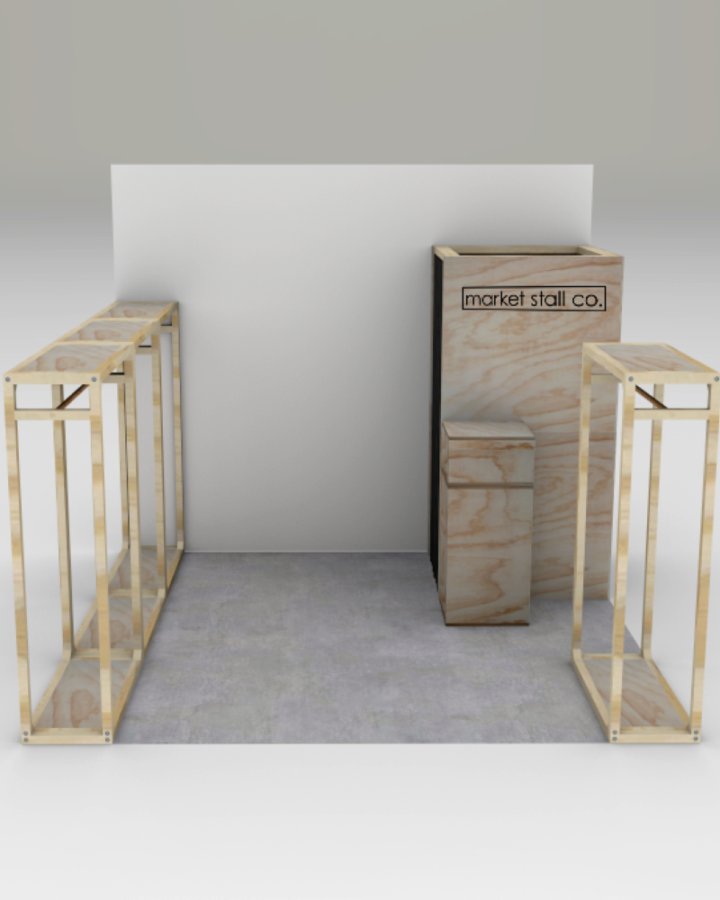
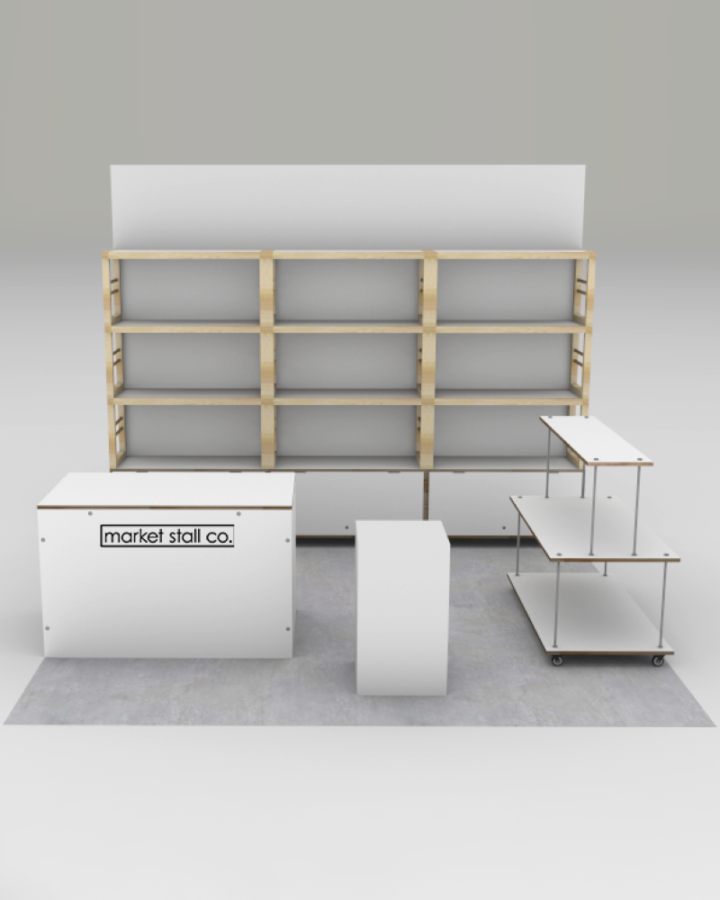
We offer an extensive 115+ retail units for hire that range from retail counters to activation walling to display plinths. These modular units can used to design and create a kiosk or floorplan that feels unique to the brand. All are available for short-term hire, or as the rental period grows, the daily price increments decrease. Combined with flexible floorplans, this approach means a brand can be fully operational within a week rather than months.
We offer floorplan layouts for hire that provide curated display units that we think work well together. Our most popular layouts focus on flow and interaction:
- Entry Moment: Branded wall or social installation.
- Discovery Zone: Product islands or sampling tables.
- Demo Counter: Staffed or self-led experience.
- POS Corner: Compact checkout or tablet station.
- "Back-of-House": 2 sqm storage for stock or team prep.
Each layout is designed to maximise dwell time and visibility, whether you’re working in 2×2m or 12×8m spaces, where you can hire multiple floorplan layouts together.
-
3x3m Pop Up, Freestanding Floorplan Hire - Layout 35 Rent from $983.20
-
3x3m Pop Up, Freestanding Floorplan Hire - Layout 40 Rent from $1,170.40
-
2x2m Pop Up, Freestanding Floorplan Hire - Layout 7 Rent from $456.00
-
3x3m Pop Up, Freestanding Floorplan Hire - Layout 23 Rent from $527.00
Preparing for an Activation: Your Checklist
Planning an activation takes structure as much as creativity. Here’s what to line up:
✅ Location & Booking: Secure your space early. Places on Storefront and Peerspace often offer flexible daily or weekly leases.
✅ Permits & Insurance: Check local trading and health/safety requirements; obtain a Certificate of Insurance if needed.
✅ Infrastructure: Decide what to hire (kiosks, lighting, modular units) vs what to have custom-produced.
✅ Tech & Data: Set up Wi-Fi, POS, QR codes, and simple lead capture tools.
✅ Staffing & Training: Your team is the experience so brief them well!
✅ Promotion: Announce early across socials and email your subscribers.
✅ Measurement: Track footfall, dwell time, conversions, and post-event web visits.

What It All Means for Retail in 2025
Retail in 2025 is no longer about the store, it’s about the story.
Activation and experience have become the new growth engines.
The winners are the brands that:
- Use activations as both marketing and research.
- Design experiences that feel local, personal, and participatory.
- Measure success not just in sales, but in connection.
As the physical and digital worlds merge, these in-person experiences are where brands build the most trust and lasting impressions.
My final thoughts? You don’t need to spend big to show up big.
With modular infrastructure, strategic floorplans, and clever budgeting, any brand, from startup to established, can activate meaningfully.
In 2025, retail belongs to the brands who make people feel something in real life.
That’s the power of activation and it’s transforming retail from transactional into experiences.
Treat activations as measurable experiments. Capture first-party data, measure footfall and LTV of attendees, and repeat what formats and locations scale. If you have limited budget, prioritise spaces that include AV/tech or hire modular infrastructure, rather than go custom, so you can focus spend on staffing and promotion - the tactics that move the needle.